Rosacea & Redness Relief Programme
Designed to reduce redness, calm inflammation, and support more balanced, resilient skin.
-
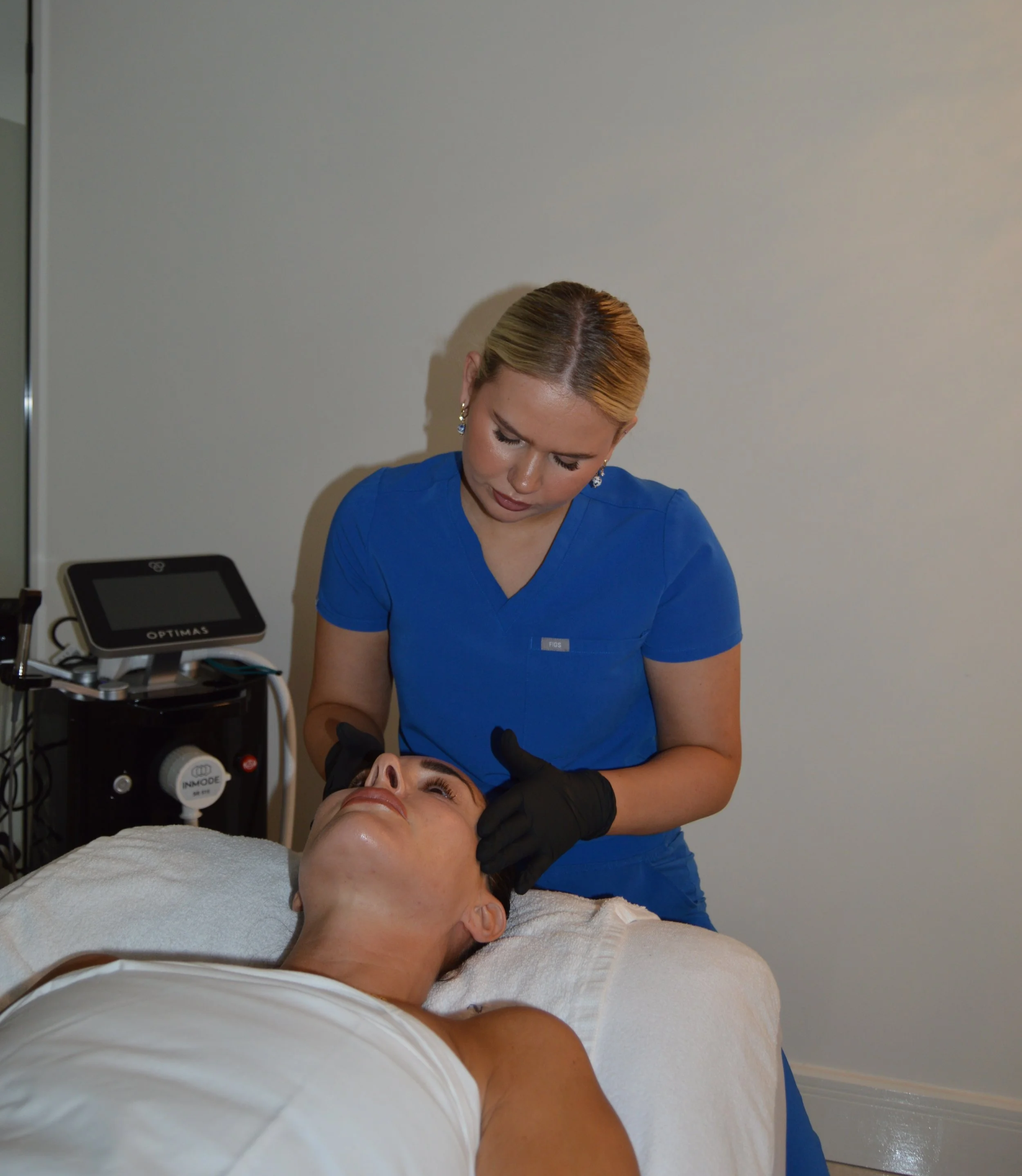
This is a structured treatment plan designed to calm inflammation, reduce visible redness, and improve overall skin tolerance over time.
The programme consists of 6 in-clinic treatments, spaced 2 weeks apart, allowing the skin to be treated progressively without overwhelming or triggering further sensitivity.
Each treatment is designed to work within the skin to:
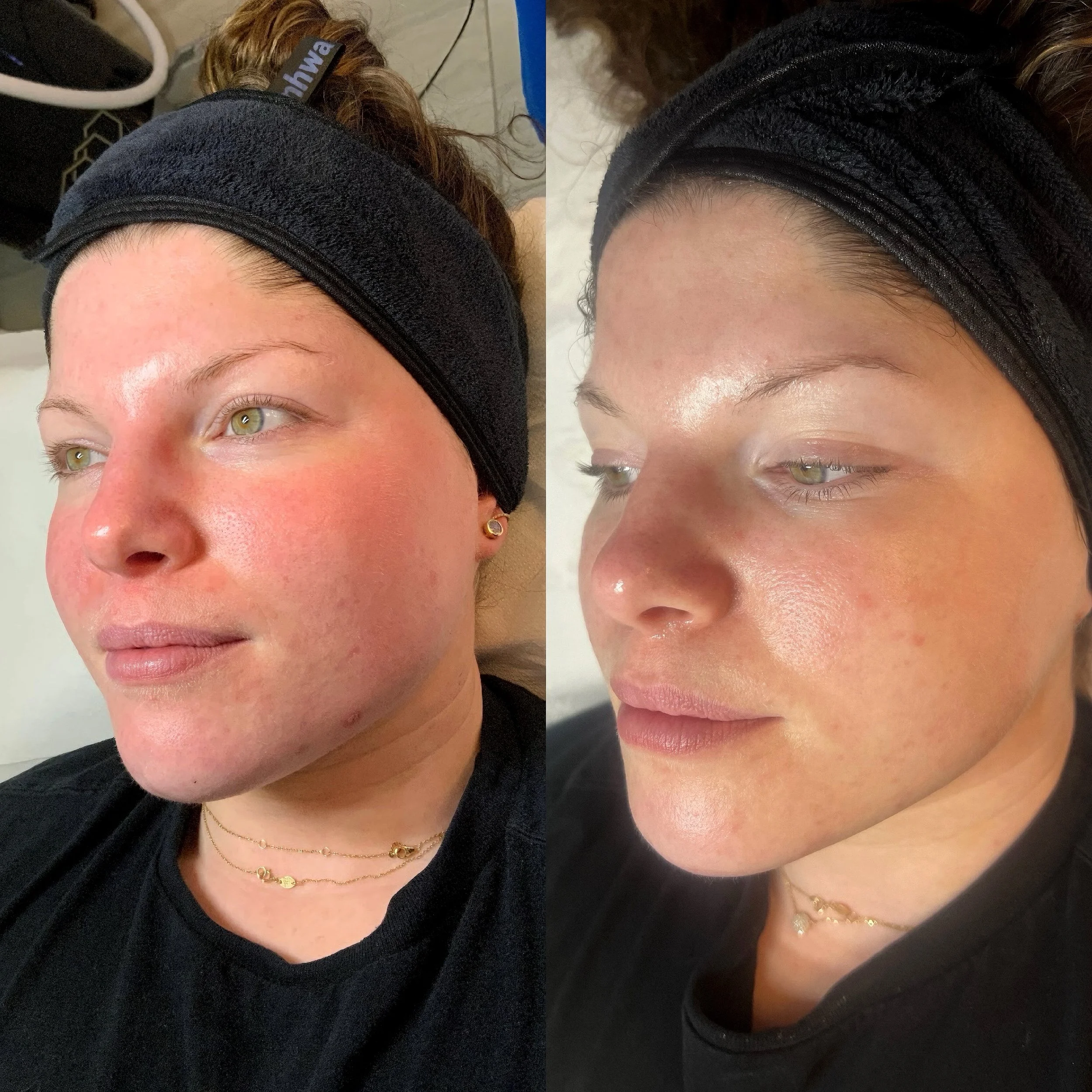
Reduce inflammation and calm active redness
Support repair of the skin barrier
Improve overall skin resilience and tolerance
Help regulate the skin’s response to external triggers
Alongside this, you will be prescribed 3 targeted homecare products, which are introduced prior to starting treatment and used consistently throughout the programme.
These products play a key role in calming the skin, strengthening the barrier, and supporting the results achieved in clinic.
By combining consistent in-clinic treatments with the correct homecare, we are able to improve how the skin behaves over time, leading to a more stable, less reactive complexion.
-
Redness and rosacea are driven by ongoing inflammation, increased skin sensitivity, and a weakened skin barrier.
This programme works by addressing each of these factors in a controlled and progressive way.
In-clinic treatments help to reduce inflammation within the skin, calm visible redness, and support gentle skin renewal without triggering further sensitivity.
At the same time, the skin barrier is strengthened, improving its ability to retain hydration and defend against external triggers such as temperature, stress, and environmental exposure.
Alongside this, your homecare routine works daily to maintain these effects, helping to reduce reactivity and improve overall skin stability between treatments.
By combining both approaches, we are able to gradually improve how the skin behaves, leading to a calmer, more balanced complexion over time.
-
Redness and rosacea are ongoing conditions, not something that can be resolved with a single treatment.
They are influenced by factors such as inflammation, skin sensitivity, and a weakened skin barrier, all of which need to be managed consistently over time.
One-off treatments may temporarily calm the skin, but without regular support, symptoms often return.
By following a structured programme, we are able to treat the skin in a controlled way, gradually reducing inflammation, strengthening the barrier, and improving overall skin stability.
This allows for more reliable, long-term improvement, rather than short-term relief.
-
Persistent redness
Helps to calm visible redness and reduce overall flushing.Rosacea-prone skin
Supports the skin in becoming less reactive, helping to reduce flare-ups over time.Acne rosacea
Targets inflammation and breakouts associated with rosacea, helping to improve skin clarity.Sensitive and reactive skin
Strengthens the skin barrier, reducing sensitivity and improving tolerance to external triggers.Inflamed or irritated skin
Works to calm the skin and restore a more balanced, comfortable state.
The Programme
6 in-clinic treatments (every 2 weeks)
3 targeted homecare products
Structured treatment plan tailored to your skin
Homecare is started 2 weeks prior to your first treatment and can be delivered if required.
-
To achieve the best results, yes. Managing redness and rosacea requires consistent support both in clinic and at home.
Relying on treatments alone without the correct homecare is a bit like calming the skin temporarily without addressing what is causing the sensitivity — the redness is more likely to return.
The homecare is designed to strengthen the skin barrier, reduce reactivity, and support the results achieved in clinic.
-
Once the programme is complete, your skin should feel calmer, less reactive, and more balanced overall.
At this stage, the focus shifts from calming active symptoms to maintaining stability within the skin.
As redness and rosacea can be influenced by triggers such as temperature, stress, and environment, ongoing care is important to help keep the skin settled.
We will guide you on how to maintain your results, which may include continued homecare and maintenance treatments where needed.
-
Some clients notice an improvement in skin comfort and a reduction in redness within the first few treatments.
However, as redness and rosacea are linked to ongoing inflammation and sensitivity, improvement is gradual rather than immediate.
As the programme progresses, the skin typically becomes calmer, less reactive, and more balanced overall.
Consistency is key, allowing the skin time to stabilise and respond in a controlled way.
Frequently Asked Questions
-
The treatment is generally well tolerated and designed with sensitive skin in mind.
You may feel a mild tingling or warming sensation during application, but it should not feel harsh or uncomfortable.
Our approach is always controlled and gentle, working with the skin rather than overwhelming it, which is particularly important for redness and rosacea-prone skin.
-
Downtime is usually minimal. The skin may appear slightly flushed and feel a little warm or sensitive immediately after treatment.
In some cases, mild dryness or light flaking can occur over the following days as the skin renews itself.
This is typically short-lived, and we guide you throughout to keep the skin as calm and comfortable as possible.
-
It is usually recommended to avoid makeup for at least 24 hours to allow the skin to recover.
After this, makeup can be worn as normal.
-
Rosacea is a long-term skin condition, so it cannot be permanently cured.
However, it can be effectively managed. This programme is designed to reduce redness, calm inflammation, and improve how the skin behaves over time.
Most clients notice their skin becomes less reactive, with fewer and less intense flare-ups, and an overall improvement in comfort and appearance.
-
Redness and rosacea can be influenced by ongoing triggers such as temperature changes, stress, skincare, and environment, so symptoms can return over time.
However, this programme is designed to improve how the skin behaves, making it calmer, less reactive, and easier to manage.
With the right homecare, SPF, and occasional maintenance treatments, results can be maintained and flare-ups kept under control.
-
Absolutely, provided you are strict with daily SPF use and avoid direct sun exposure on the face.
It’s important that the skin is not actively tanned, as this can increase the risk of unwanted pigmentation changes.
We will always assess your skin and lifestyle to ensure treatment is carried out safely and at the most appropriate time.